Taste & aroma
Compare the balance of flavor in the finished drink or recipe, including any milk, sweetener, or other ingredients.
Explore beverage optionsMake a more useful comparison, from your first sample to your next order.
START WITH THE PRODUCT
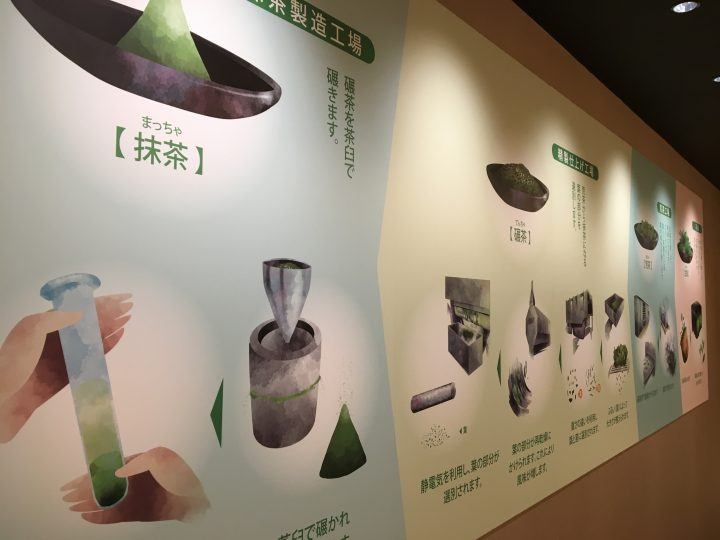
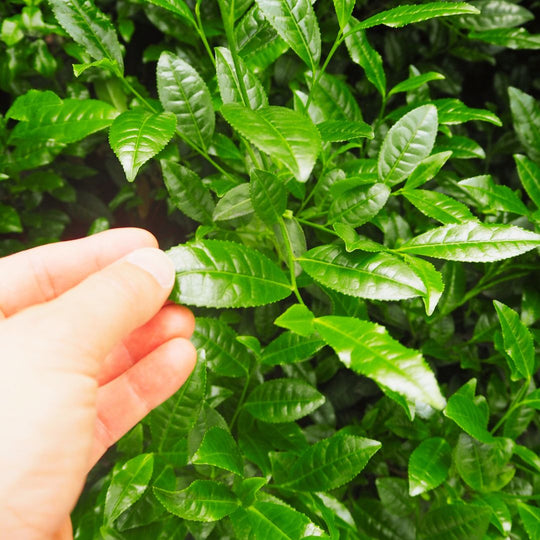
Japanese matcha is made by milling tencha, a shade-grown tea. Origin, processing, and the selected product affect the experience in your cup or recipe.
Use terms such as drinking, latte, and culinary as starting points. Ask for the actual product specification and evaluate the proposed sample against your own requirements.
Compare samples at the same dose, using the same water or milk, temperature, mixing method, and serving size. Record your observations so your team can make a repeatable decision.
Compare the balance of flavor in the finished drink or recipe, including any milk, sweetener, or other ingredients.
Explore beverage optionsRecord appearance and texture after your complete preparation or manufacturing process.
Explore culinary optionsCalculate cost using your actual dose, yield, shipping costs, and any other costs associated with the order.
Request current pricingFollow the supplier’s storage and handling instructions for the specific product. Consider how quickly your team uses an opened pack when choosing pack size.
Record opening dates and keep the product protected as instructed. Ask how changes in packaging or storage may affect the product before making assumptions.
Share your application, expected volume, and delivery destination to start a sourcing conversation.
Request a Quote